
Navigating the demands of the legal notary exam can feel overwhelming, especially with today’s fast-paced lifestyle and constant distractions. Lately, more aspiring notaries are seeking efficient study techniques that actually work, rather than just clocking endless hours.

That’s where mastering a smart time-blocking strategy comes in—it’s a game-changer for boosting focus and retaining critical information. Whether you’re juggling work, family, or other commitments, this method helps you carve out intentional, distraction-free study sessions.
Stick around to discover how this approach can transform your exam prep and set you up for success.
Designing Your Daily Study Blocks for Maximum Retention
Understanding Your Peak Focus Hours
Everyone has times during the day when their brain feels sharper and more alert. For some, it’s early morning right after a fresh cup of coffee; for others, late evening when the house quiets down.
Identifying these personal peak hours is crucial. By dedicating your most challenging subjects or topics to these windows, you capitalize on natural alertness.
From my own experience, switching to early morning sessions for dense legal theory made a noticeable difference—I absorbed complex concepts faster without feeling drained.
Try tracking your energy levels for a week, noting when your concentration naturally spikes, and then schedule your most demanding study blocks accordingly.
Allocating Time for Active Learning
Passive reading won’t cut it for something as detail-heavy as the notary exam. You need to actively engage with the material—through practice questions, flashcards, or teaching concepts aloud.
Reserve specific time blocks exclusively for these active methods. For example, after a 45-minute reading session, spend 30 minutes quizzing yourself or summarizing what you learned without looking at the text.
This technique reinforces memory and identifies weak spots early. Personally, I found that breaking up study blocks into “input” and “output” phases kept me mentally fresh and prevented the usual burnout that comes with marathon reading sessions.
Incorporating Breaks to Recharge
Ignoring breaks is a common pitfall when you’re anxious about an exam. However, short, scheduled pauses during your study blocks help maintain cognitive performance and reduce mental fatigue.
The Pomodoro technique, which involves 25 minutes of focused study followed by a 5-minute break, is a popular choice—but feel free to customize the length based on your attention span.
I tend to do 50 minutes on, 10 minutes off. During breaks, stepping away from your study space, stretching, or grabbing a snack helps reset your mind.
Avoid scrolling on your phone or jumping into social media, as these tend to sap your focus more than rejuvenate it.
Balancing Study Sessions with Life’s Other Priorities
Setting Realistic Daily Goals
One mistake I often see is setting overly ambitious study targets that are impossible to maintain alongside work or family duties. Instead, set small, achievable goals each day.
For instance, aim to cover one major topic or complete a set number of practice questions. This approach reduces stress and builds a consistent habit, which is far more effective over the long haul than sporadic marathon sessions.
I recommend using a planner or digital calendar to jot down these goals and check them off as you go. The satisfaction of ticking off completed tasks keeps motivation high.
Leveraging Small Time Windows
Not everyone has large chunks of free time to dedicate to studying. If you’re juggling a full-time job, childcare, or other responsibilities, look for smaller pockets throughout your day.
Even 15-20 minutes during lunch breaks, commutes (if you’re not driving), or early mornings can be turned into productive study moments. Audio summaries or recorded lectures are perfect for these times, allowing you to absorb material on the go.
Personally, using voice notes to review key points while walking the dog helped me squeeze extra study time without feeling overwhelmed.
Communicating Your Schedule to Supporters
When you’re balancing many commitments, it’s essential to let family, friends, or roommates know about your study schedule. Sharing your goals and the importance of focused time blocks creates understanding and reduces interruptions.
I found that simply explaining, “I need this hour to concentrate fully,” helped a lot in minimizing distractions. Plus, those close to you can become accountability partners, gently reminding you to stick to your plan or celebrating milestones with you.
Crafting a Weekly Study Plan That Adapts and Evolves
Prioritizing Topics Based on Difficulty and Exam Weight
Not all subjects are created equal in terms of exam importance or personal difficulty. Start your weekly plan by listing all topics and ranking them by how challenging they are and their weight on the exam.
This allows you to allocate more time to tougher, high-value areas without neglecting easier ones. For example, if contract law takes up a large portion of the exam and you find it tricky, schedule longer or more frequent sessions for it.
I used color-coded charts to visualize my priorities, which made it easier to stay focused on what truly mattered.
Review and Adjustment at Week’s End
One of the most overlooked steps is reviewing your progress weekly and adjusting the plan. Life happens—unexpected events or fatigue can disrupt the best-laid schedules.
Take 30 minutes at the end of each week to assess what worked, what didn’t, and where you need to shift your focus. For instance, if you noticed that you skimmed through a topic without fully grasping it, allocate extra time next week for a deep dive.
This flexibility keeps your study strategy dynamic and responsive, which ultimately leads to better retention and confidence.
Incorporating Mock Exams and Practice Tests
Practice tests are not just assessment tools; they’re also powerful study sessions on their own. Schedule regular mock exams in your weekly plan to simulate the test environment.
This helps reduce anxiety and improves time management skills. I remember feeling much calmer on exam day after routinely timing myself during practice runs.
After each mock exam, review your mistakes thoroughly and adjust upcoming study blocks to address those weak points.
Creating a Distraction-Free Study Environment
Optimizing Your Physical Space
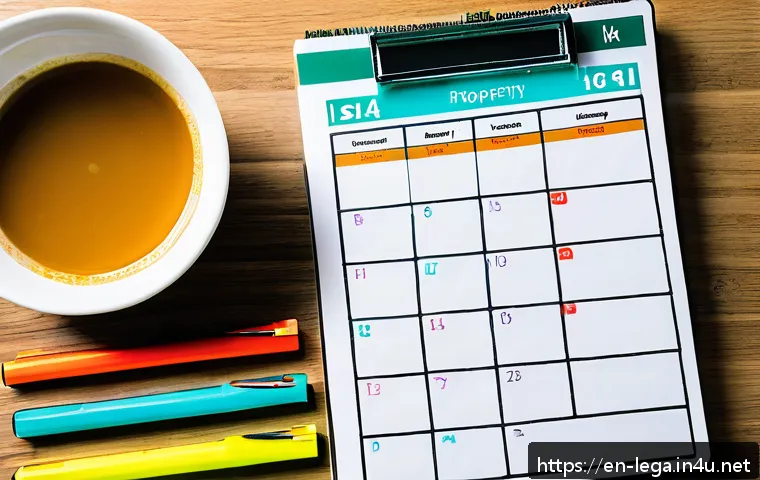
Your study environment can make or break your focus. A cluttered desk or noisy room can subtly sap your concentration without you realizing it. Choose a quiet, well-lit area with minimal distractions.
I personally transformed a small corner of my home into a dedicated study nook, complete with noise-canceling headphones and a tidy desk. Keeping only study materials within reach reduces the temptation to multitask.
Small touches like a comfortable chair and natural light can also boost mood and endurance during long sessions.
Managing Digital Interruptions
Smartphones, social media, and constant notifications are notorious focus killers. Before starting a study block, turn off non-essential notifications or use apps that block distracting sites temporarily.
I’ve found that setting my phone to “Do Not Disturb” mode and placing it out of arm’s reach during study times drastically improved my ability to stay on task.
Additionally, consider using browser extensions that limit access to distracting websites during your scheduled study periods.
Setting Boundaries with Others
Even with the perfect physical and digital setup, interruptions from people around you can derail your focus. Clearly communicate your study hours and ask for their cooperation.
Using visual signals like a closed door or a “studying” sign can help reinforce these boundaries. When interruptions happen, politely remind others of your schedule.
Over time, this respect for your study time becomes routine, allowing you to settle into deep focus more consistently.
Tracking Progress and Maintaining Motivation
Using Visual Tools for Progress Monitoring
Seeing your progress visually can be incredibly motivating. Whether it’s a checklist, calendar, or app, tracking completed topics and practice tests gives you a sense of accomplishment.
I kept a large whiteboard calendar next to my desk, marking off study blocks and milestones. Watching the board fill up was a surprisingly effective way to maintain momentum, especially on days when motivation waned.
Celebrate small wins—it’s these daily victories that build up to exam success.
Incorporating Rewards and Rest Days
Studying for a demanding exam without breaks or rewards can lead to burnout. Build in scheduled rest days or small rewards after completing significant goals.
This could be as simple as enjoying a favorite snack, watching a movie, or taking a walk outdoors. On one particularly tough week, I promised myself a weekend hike if I finished all planned study blocks.
That reward kept me pushing through fatigue and distractions. Remember, balance is key to sustaining long-term effort.
Reflecting on Growth and Adjusting Mindset
Exam prep isn’t just about memorizing facts—it’s also a mental game. Regularly take time to reflect on how far you’ve come rather than focusing only on what’s left.
This positive reinforcement builds confidence and reduces anxiety. Journaling about daily challenges and breakthroughs helped me stay grounded and recognize that every small step counts.
Shifting your mindset from “I have so much to learn” to “I’m steadily improving” can make a profound difference in your study experience.
Sample Weekly Study Timetable for Effective Time Blocking
| Day | Morning Session | Afternoon Session | Evening Session | Breaks & Notes |
|---|---|---|---|---|
| Monday | Review legal terminology (60 min) | Practice questions on contracts (45 min) | Flashcards & summary writing (30 min) | 10-min break between sessions; avoid screens |
| Tuesday | Case law study (50 min) | Mock exam simulation (90 min) | Light review & relaxation (30 min) | Stretching during breaks; hydration focus |
| Wednesday | Lecture notes review (60 min) | Group study/discussion (60 min) | Self-quizzing (30 min) | Communicate schedule with family |
| Thursday | Deep dive into property law (70 min) | Practice essay writing (60 min) | Rest & leisure activities | Use Pomodoro for focus; no multitasking |
| Friday | Active recall exercises (60 min) | Mock exam review & corrections (60 min) | Reward time: movie or hobby | Celebrate weekly milestones |
| Saturday | Flexible catch-up session (90 min) | Rest or light review (optional) | Social time or personal care | Adjust plan based on progress |
| Sunday | Rest day | Rest day | Rest day | Reflect & plan for next week |
In Conclusion
Designing your study blocks thoughtfully can transform your learning experience and boost retention significantly. By understanding your peak focus times, actively engaging with material, and balancing breaks, you set yourself up for success. Remember, flexibility and self-awareness in your schedule are key to maintaining motivation and avoiding burnout. With consistent effort and smart planning, mastering even the toughest subjects becomes achievable.
Helpful Tips to Keep in Mind
1. Identify your most alert hours each day and schedule your hardest study tasks during these periods for maximum efficiency.
2. Use active learning techniques like self-quizzing and teaching concepts aloud to deepen understanding beyond passive reading.
3. Incorporate regular, distraction-free breaks to recharge your brain and maintain long-term focus without fatigue.
4. Set realistic daily goals and leverage short pockets of time throughout your day to maintain steady progress without overwhelming yourself.
5. Communicate your study plans to those around you to create a supportive environment that respects your focus time.
Key Takeaways
Successful study planning hinges on knowing when you study best and structuring your sessions around active learning and well-timed breaks. Balancing study with life’s demands requires realistic goal-setting and smart use of available time. Creating a dedicated, distraction-free workspace and regularly tracking your progress keeps motivation high and distractions low. Lastly, adapting your plan weekly and rewarding yourself ensures sustained effort and confidence building throughout your exam preparation journey.
Frequently Asked Questions (FAQ) 📖
Q: uestionsQ1: How can time-blocking improve my focus during notary exam study sessions?
A: Time-blocking helps by setting clear, dedicated periods for studying without distractions. When I started using this method, I noticed that breaking my day into focused chunks made it easier to dive deep into complex topics without feeling overwhelmed.
It’s like giving your brain a roadmap—knowing exactly when to work and when to rest keeps your attention sharp and prevents burnout.
Q: What’s the best way to handle unexpected interruptions when using time-blocking?
A: Life happens, and interruptions are inevitable. From my experience, the key is flexibility within your schedule. If an urgent matter pops up, pause your current block and reschedule it as soon as possible.
Also, communicate your study times to family or roommates, so they know when not to disturb you. Having a buffer zone between blocks can also help absorb unexpected delays without derailing your entire plan.
Q: How do I balance study time with work and family commitments using time-blocking?
A: Balancing everything can be tricky, but time-blocking makes it manageable by prioritizing your tasks. Start by identifying your peak energy times—whether early morning or late evening—and reserve those blocks for intensive studying.
Use shorter blocks during busy days and longer ones when you have fewer distractions. Personally, setting clear boundaries and treating study blocks as non-negotiable appointments helped me maintain that balance without feeling guilty.